
 Date: Tuesday, September 8, 2026
 Time: 18:30-19:30 BST (UTC+1)
 Duration: 1 hour
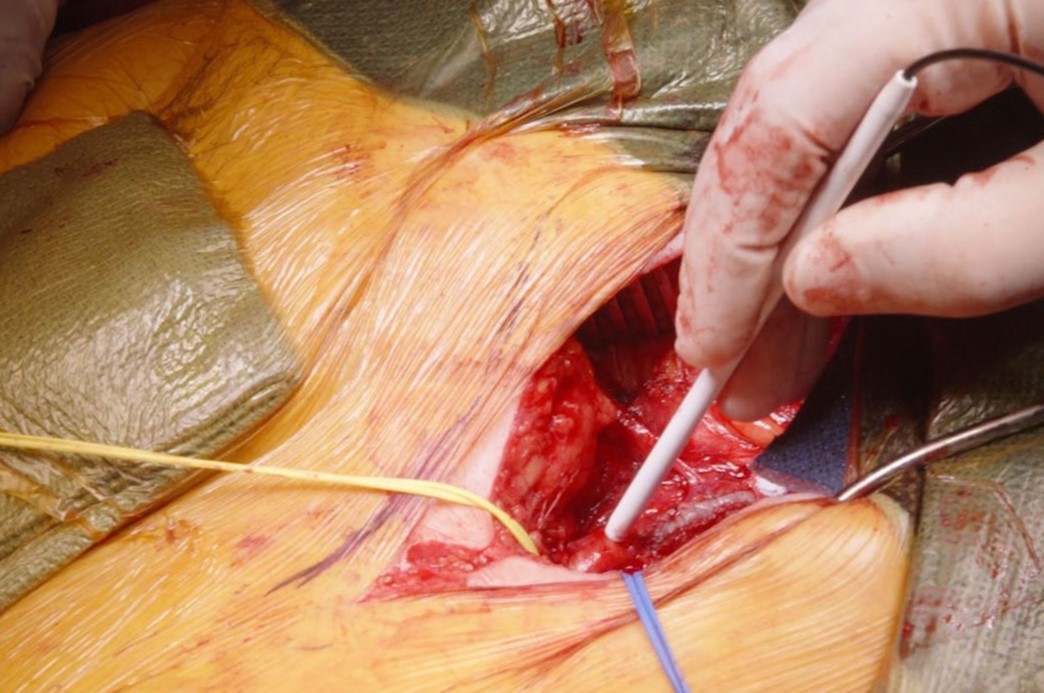
Despite careful planning and technical execution, vascular surgeons occasionally encounter challenging situations during open arterial revascularisation procedures that can test even the most experienced teams. How should such challenges be addressed in a logical and systematic way? What options are available to assess the adequacy of your revascularisation?
Join us for the second webinar in our ‘Close with Confidence’ series for a brief overview of technologies available for intraoperative revascularisation assessment, and of current international guidelines to support practice. Then, through two complex real-world cases, faculty will explore how to troubleshoot challenging open cases, discuss strategies for identifying technical issues, and a roadmap to support decisions regarding revision or closure.
Learning objectives
- Understand the breadth and role of intraoperative technologies for arterial revascularisation assessment
- Learn what international guidelines state regarding use of these modalities
- Interpret technical and haemodynamic findings
- Recognise common intraoperative challenges
- Apply a structured approach to graft and flow abnormalities
- Develop confidence in operative decision making
Educational Outcomes
- Translate learning from complex real-world cases directly into theatre practice.
- Apply a structured framework for troubleshooting intraoperative challenges.
- Apply a structured framework for troubleshooting intraoperative challenges.
- Interpret completion angiography, flow assessment and Doppler findings more effectively.
- Recognise situations where imaging, haemodynamic data and clinical findings are conflicting
- Integrate multiple assessment modalities into operative decision-making.
- Improve confidence in deciding whether to revise a reconstruction or proceed to closure.
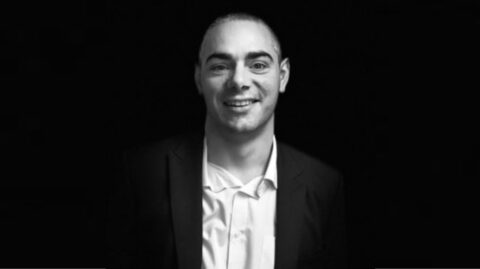
Professor David Bosanquet
Consultant Vascular Surgeon, South East Wales Vascular Network (SEWVN)
David is a Consultant Vascular Surgeon working in the South East Wales Vascular Network (SEWVN) with an active practice in CLTI, an Honorary Professor at Cardiff University and the Associate Medical Director of the Research & Development department in Aneurin Bevan University Health Board.
His primary research interests include peripheral arterial disease, amputation surgery, wound healing, surgical site infection, aortic aneurysm surgery, collaborative research, and decision making. He has led numerous national and international research projects in these areas, having secured approximately £18 million in competitive funding (~£2.5 million as chief/lead investigator) from major national funders for these projects. He holds a number of leadership positions locally, nationally and internationally.
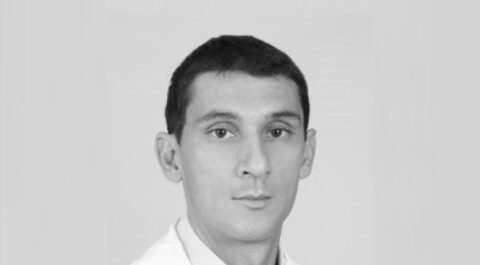
Fabien Lareyre
Consultant and Head of the Department of Vascular and Endovascular Surgery, Hospital of Antibes
Fabien Lareyre is Consultant and Head of the Department of Vascular and Endovascular Surgery at the hospital of Antibes, France.
His research focuses on the applications of Artificial intelligence in Vascular Surgery and medical imaging. His pioneering works in the field were rewarded by an Academic Award of the French National Academy of Medicine and by a Prize of Excellence from Université Côte d’Azur (France).
He is fellow of the European Society for Vascular Surgery (ESVS), Secretary General of VASCUNET, and Committee member of the European Research Hub. He is Associate Editor of the EJVES Vascular Forum. He presented at national and international conferences and achieved more than 190 publications accepted in scientific and clinical peer review journals.
Affiliations:
• Hospital of Antibes, France
• Université Côte d’Azur, CNRS, UMR7370, LP2M, Nice, France

Leigh Ann O’Banion
Associate Clinical Professor in the Department of Surgery, University of California San Francisco, Fresno Branch Campus
Leigh Ann O’Banion, MD, FACS, FSVS, is an Associate Clinical Professor of Surgery at UCSF Fresno. She earned her undergraduate and medical degrees from Louisiana State University, completed general surgery residency at UCSF Fresno and vascular surgery fellowship at UCSF, and is board certified in General and Vascular Surgery with RPVI certification.
Since joining the UCSF Fresno Department of Surgery faculty in 2017, Dr. O’Banion has taught and mentored medical students, surgery residents, and subspecialty fellows on the vascular surgery service. She serves on the Editorial Board of the Journal of Vascular Surgery and on committees for AVF, VIVA, SVS, and VESS focused on vascular surgery education and research.
Her research centers on limb salvage and outcomes in patients undergoing major amputation. She has presented nationally and published extensively, earning the 2020 Western Vascular Society Founder’s Research Award for work on traumatic popliteal injuries and the 2021 UCSF Fresno Faculty Research Award. She is also founder and Medical Director of CHAMPIONS, a Foundation to Advance Vascular Cures outreach program providing cardiovascular screening and education in vascular deserts.
Dr. O’Banion is a member of the Western Vascular Society, Vascular and Endovascular Surgical Society, American Venous Forum, and Society for Clinical Vascular Surgery.